Empower Your Business With The Magic Of Machine Learning!
- +30 210 9701777
- Aristotelous 83, Athens 163 43
- contact@mobiplus.co

Empower Your Business With The Magic Of Machine Learning!
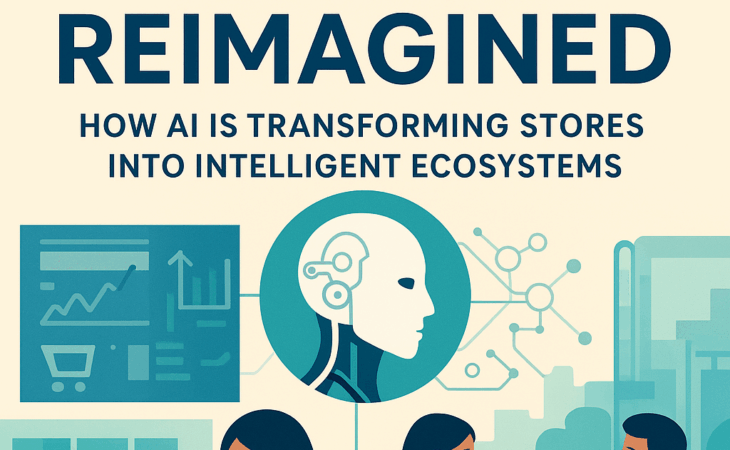
The retail landscape is undergoing a profound transformation. The familiar image of stores as static spaces for transactions is evolving into something far more dynamic: intelligent ecosystems where humans and AI work together seamlessly to deliver hyper-personalized, efficient, and engaging shopping experiences. This vision was at the forefront of discussions at the AI in Retail Virtual Summit 2025, hosted by Rethink Retail, bringing together leading retailers, AI experts, and innovators from around the globe.
From optimizing operations and reducing returns to enhancing customer engagement and employee productivity, the summit highlighted the tangible ways AI is shaping the future of retail.
This post delves into the most critical insights from the summit, providing a comprehensive view of how AI is set to redefine the in-store experience.
Retail is no longer merely about selling products. Stores are evolving into digital hubs that connect multiple stakeholders—customers, associates, and supply chains—through an intelligent network of data and AI-driven insights.
Connecting Customers, Associates, and Supply Chains
Today’s leading retailers are integrating real-time data from multiple sources.
AI monitors inventory, predicts demand, and identifies patterns in customer behavior, turning stores into living systems that respond dynamically to shopper activity.
In this ecosystem:
As AI becomes an augmented intelligence, it enhances the decision-making capabilities of human associates rather than replacing them.
Associates are now empowered to become strategic contributors to store success. This symbiotic relationship between humans and machines is the foundation of the modern, intelligent store.
One of the most pressing challenges in retail is product returns, which can be costly and time-consuming.
At the summit, Dr. Sumit Mitra, COO of Tesco, shared how AI is addressing this problem with striking results.
The Problem: High Returns
In categories like fresh dairy products, returns are often inevitable. Traditionally, investigating the reasons for returns was slow, requiring extensive manual analysis and communication with suppliers.
For example, identifying issues with returned milk products could take months, delaying corrective actions and affecting revenue.
The AI Solution
Tesco implemented an AI system capable of analyzing text data and product descriptions to pinpoint the causes of returns. This system enabled the team to:
Impact
The results were transformative:
Key takeaway: AI is not just a technological enhancement—it is a strategic lever for process optimization, cost reduction, and improved collaboration with suppliers.
American Eagle Outfitters presented a forward-looking vision for making physical stores as intelligent and responsive as e-commerce websites.
According to Mr. Uttam Kumar, AI Lead at American Eagle, the goal is to turn stores into “living systems.”
Features of an Intelligent Store
Empowering Associates
AI guides associates in making operational decisions, such as pricing adjustments or promotional placements.
Recommendations are explainable, providing reasoning to store managers, ensuring transparency and trust in AI-driven suggestions.
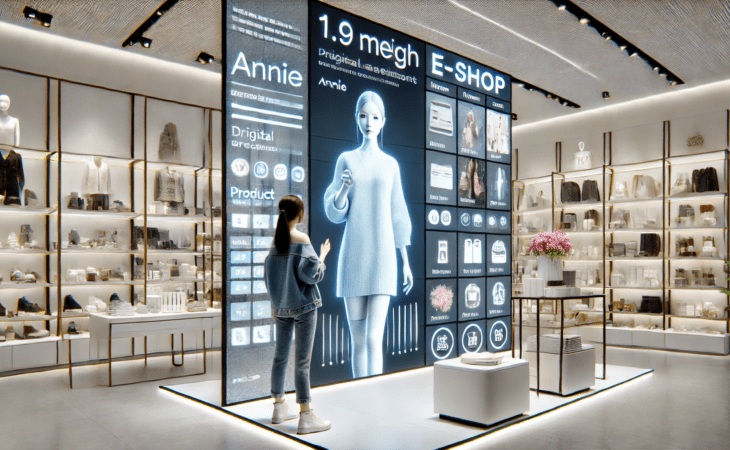
Outcome
Stores become adaptable environments, continuously evolving based on consumer behavior.
This approach bridges the gap between the physical and digital shopping experience, enabling in-store engagement to rival that of online platforms.

Retail is ultimately about people, and AI is increasingly enhancing human empathy in the store environment.
Matt from Nixdorf emphasized that AI can provide associates with real-time insights on:
This empowers associates to connect more deeply with customers, tailoring interactions to each individual. High adoption occurs when AI is positioned as a supportive tool, complementing human interaction rather than replacing it.
Key insight: Human-AI collaboration transforms customer service from transactional to relational, enabling stores to build loyalty and long-term engagement.
Vitamin Shoppe , a wellness chain with 600 locations, presented a compelling use case of AI in employee training and performance optimization.
COO Andrew Lautado highlighted how AI is used for gamified education, tailoring learning modules based on associates’ experience levels and knowledge gaps.
Key Metrics and Outcomes
Lesson learned: AI is most effective when applied to solve significant challenges in retail—inventory management, employee productivity, and customer experience—rather than being used superficially.
Read our book and learn why instore personalization and shopping data is the name of the game.

Lorane Bacon from Servicenow presented a comprehensive survey on AI adoption, revealing both opportunities and challenges:
Strategies for Successful AI Adoption
The key is a pragmatic, incremental approach: start small, measure results, and scale strategically.
A successful AI strategy requires a structured approach:

This framework ensures that AI initiatives are purpose-driven and generate measurable value rather than being technology for technology’s sake.
Remzi Ural of PwC emphasized that the next major retail transformation is human-AI collaboration.
Retailers must shift focus from worrying about job displacement to asking: “How can AI help create new value?”

Human-AI Collaboration
Evolving Roles in Retail
Jobs will evolve from fixed roles to bundles of tasks, balancing creative and administrative activities:
Impact on Productivity and Innovation
With AI managing routine workflows, employees can focus on:
The result is exponential growth in productivity and innovation, driven by a workforce empowered by AI.
The AI in Retail Virtual Summit 2025 highlighted several overarching themes:
In essence, the future of retail is human-centered but AI-augmented, combining empathy, creativity, and judgment with the speed, precision, and insights of artificial intelligence.
By 2030, we envision stores that are fully intelligent ecosystems:
Retailers who embrace AI not as a threat but as a strategic enabler will be positioned to thrive in a landscape where customer expectations are higher than ever, competition is fierce, and agility is key.
The AI in Retail Virtual Summit 2025 made one thing abundantly clear: the future of retail is intelligent, adaptive, and human-centric, powered by AI.
From reducing returns at Tesco to creating smart stores at American Eagle Outfitters, from AI-driven empathy at Nixdorf to gamified associate training at Vitamin Shoppe the evidence is clear—AI is transforming retail at every level.
Retailers today face a choice: wait and react, or embrace AI proactively, integrating it into strategy, operations, and customer engagement.
Those who act decisively will create stores of the future—vibrant, intelligent ecosystems that delight customers, empower employees, and drive exponential business growth.
The revolution is here. Retail will never be the same again.

Test out the Recommendation Engine for up to 20.000 euros in revenue from recommendations. No credit card required. Just enter your company information and we’ll contact you with all the details.
